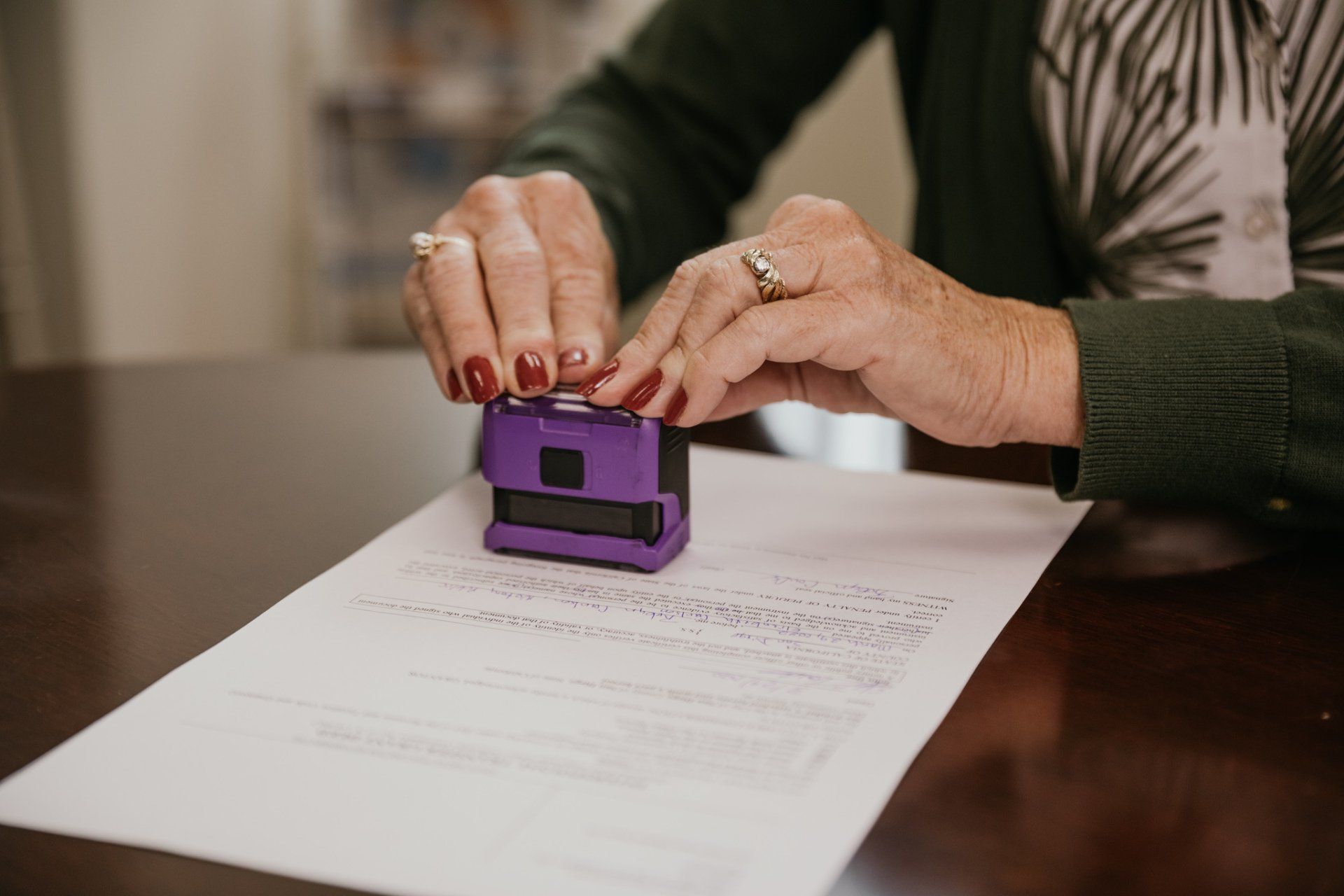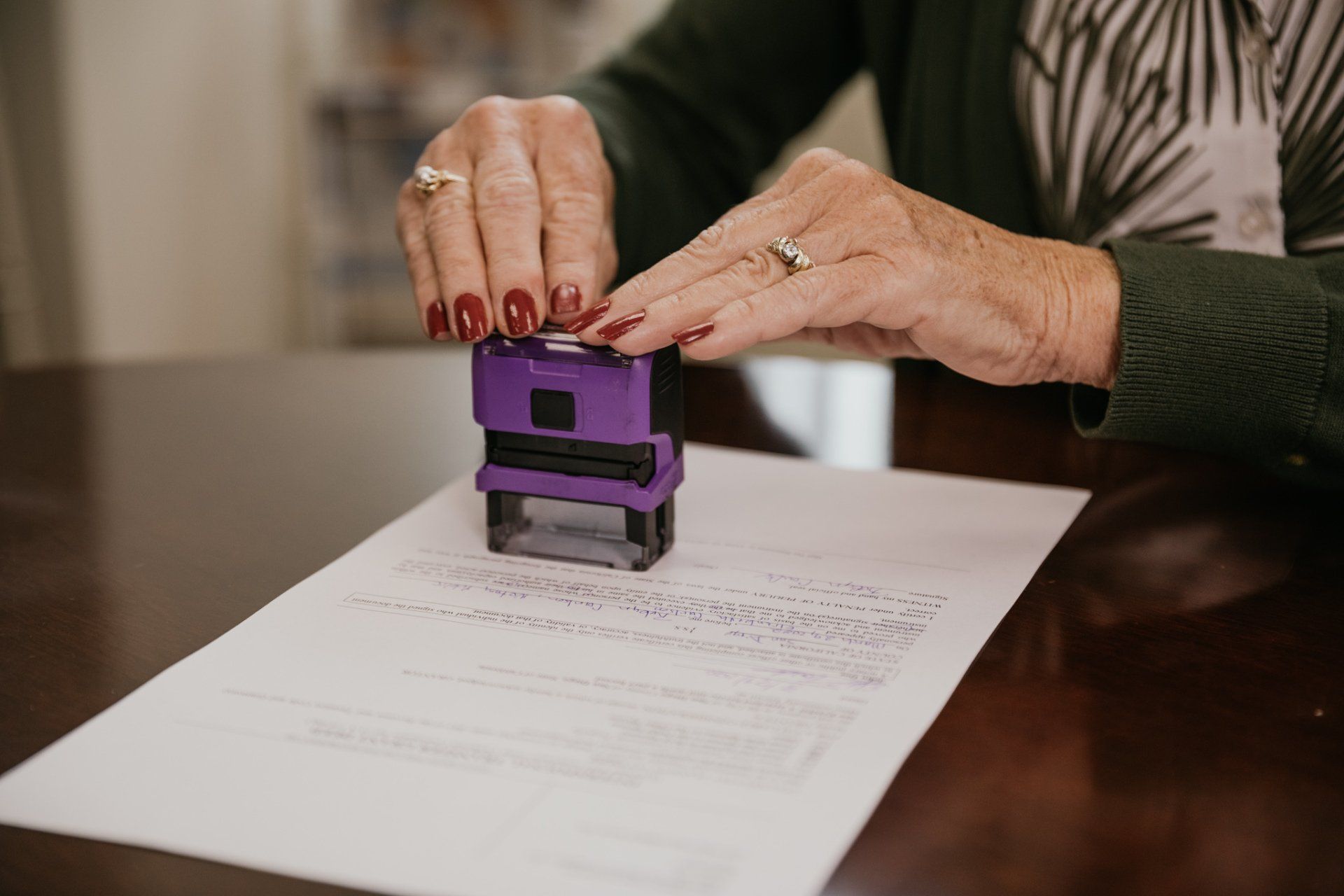
Estate Planning Documents That Commonly Require Notarization
Estate planning is ultimately about making sure your wishes are followed and your loved ones are protected — but a plan only carries legal weight if it's executed properly. Notarization is one of the most important (and most commonly misunderstood) steps in that process. Some documents legally require it, others don't but benefit significantly from it, and getting this wrong can create real problems for your family down the line.
Here's a breakdown of the estate planning documents most likely to need a notary's signature.
Wills
Whether a will requires notarization depends on your state, but even where it isn't strictly mandatory, many people choose to notarize it as part of creating a self-proving affidavit. This document, signed and notarized alongside the will, allows a probate court to accept the will without needing to track down and question the original witnesses — which can meaningfully speed up probate and reduce complications for your family later.
Trusts
Living trusts and other trust documents often require notarization to be properly executed, particularly when the trust involves transferring real estate. Since a trust frequently holds title to property on your behalf, many county recorders require the notarized trust or an accompanying document before real estate can legally be retitled into the trust's name.
Power of Attorney
A durable power of attorney — the document naming someone to manage your financial affairs if you become incapacitated — almost always requires notarization to be considered valid and enforceable. Because this document grants another person significant authority over your finances, notarization provides essential protection against fraud and ensures financial institutions will actually honor and accept it.
Advance Healthcare Directives
Documents outlining your medical wishes, including a healthcare power of attorney and living will, often require notarization or witness signatures (sometimes both, depending on your state). These documents carry enormous weight during a medical crisis, and proper notarization helps ensure hospitals and healthcare providers recognize them as legally binding when it matters most.
Real Estate Transfer Documents (Deeds)
If your estate plan involves transferring property — into a trust, to an heir, or as part of restructuring ownership — the deed itself almost always requires notarization. County recorders will typically reject an unnotarized deed outright, which can delay or derail a property transfer at exactly the wrong time.
Affidavits and Certifications
Estate plans sometimes involve supporting affidavits, such as an affidavit of trust (used to prove a trust's existence and terms to a third party like a bank) or other certifications confirming details about the estate. These documents typically need notarization to be accepted as legally valid by outside institutions.
Why Getting This Right Matters
An estate plan that's missing a required notarization isn't just an administrative oversight — it can cause real delays in probate, disputes among family members, or a financial institution refusing to honor a power of attorney when it's needed most. Getting these documents properly notarized while everyone is available and of sound mind avoids scrambling to fix gaps later.
Making the Process Easier
Estate planning documents often need to be signed in front of family members, at an attorney's office, or even at a hospital bedside — which isn't always convenient for a trip to a notary's office. Sign Docs Today provides mobile notary services throughout San Diego County, meeting clients and their attorneys wherever it's most convenient, including evenings and weekends. If you're finalizing your estate plan, reach out to schedule a notarization appointment that works with your timeline.