Traveling Notary Services Explained: How Mobile Notaries Save Time Nationwide
One of the most common reasons a notarization is delayed has nothing to do with the documents themselves—it's because the signer doesn't have the proper identification. If you've ever searched "what to bring to a notary" or wondered about notary ID requirements, you're not alone.
While notarization laws vary slightly from state to state, one rule remains consistent across the United States: a notary must be able to verify your identity before witnessing your signature. Arriving with the right identification ensures a smooth appointment and helps protect everyone involved from fraud.
Why Identification Matters
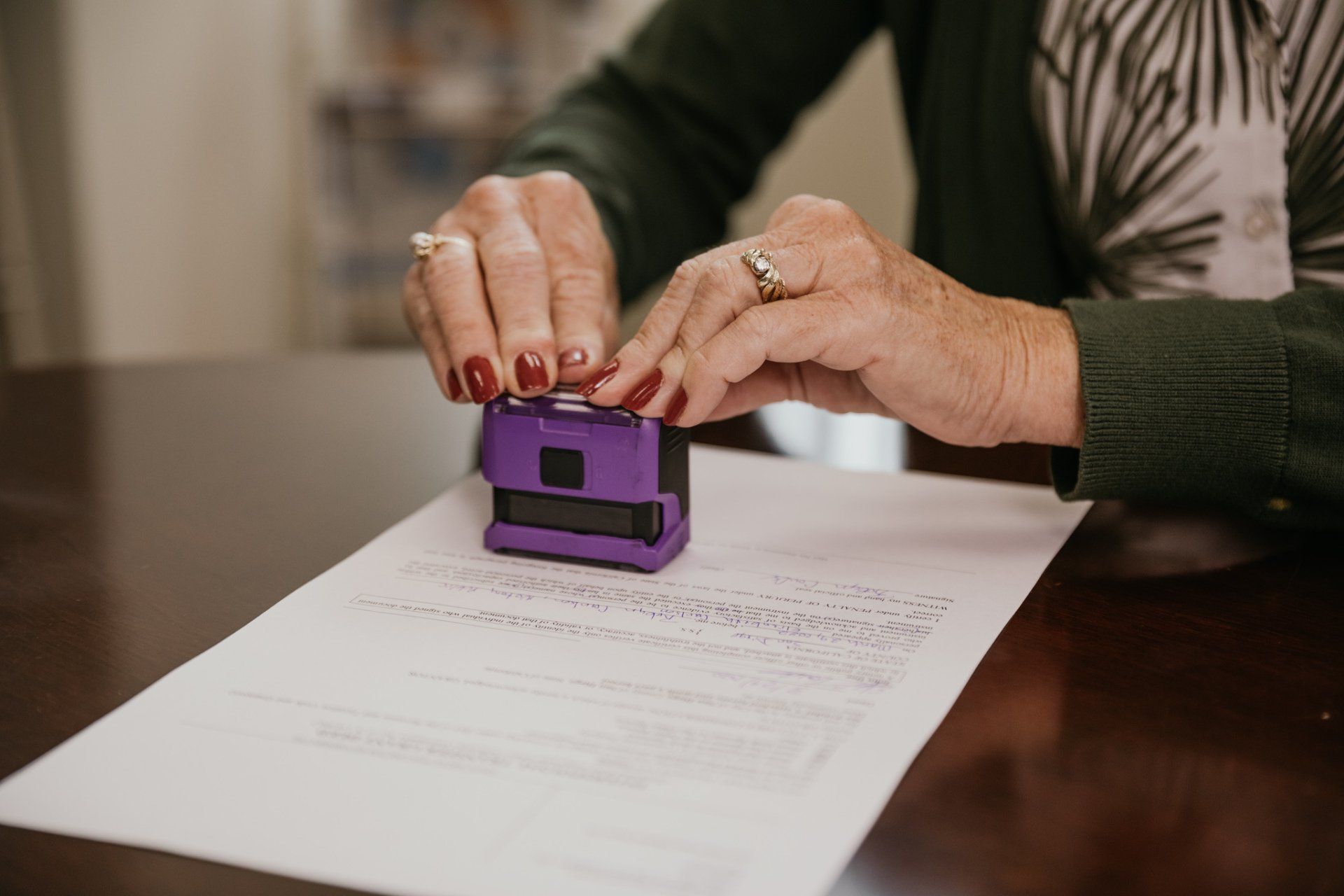
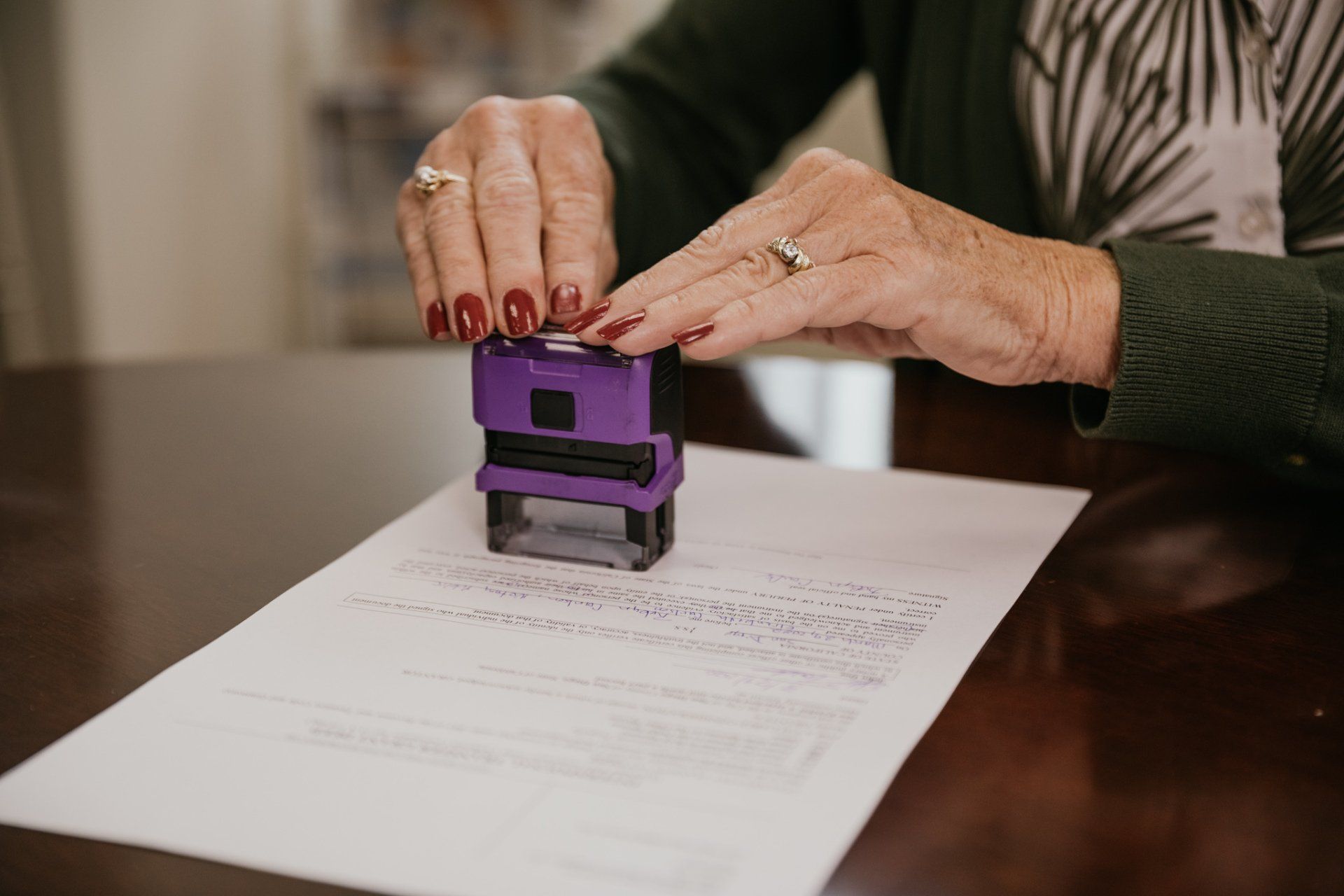
A notary public serves as an impartial witness, confirming that the person signing a document is who they claim to be and is doing so willingly. Verifying identity is a legal responsibility—not just a formality.
Without satisfactory proof of identity, a notary is typically required to refuse the notarization, even if the document appears valid.
What Forms of ID Are Commonly Accepted?
Although notary ID requirements differ by state, most notaries accept government-issued photo identification that is current or recently expired, depending on local law.
Commonly accepted IDs include:
- Driver's license
- State-issued identification card
- U.S. passport or passport card
- Military ID
- Permanent Resident Card (Green Card)
- Tribal identification card (where permitted by state law)
The identification should include a recognizable photo, signature, and physical description or identifying information.
Can an Expired ID Be Used?
This is where notarization rules often differ. Some states allow IDs that expired within a specific timeframe, while others require identification to be current. Because requirements vary, it's best to verify what is acceptable before your appointment—especially if your identification has recently expired.
What If You Don't Have a Valid Photo ID?
Losing your wallet or waiting for a replacement doesn't always mean your documents must wait.
Many states allow the use of credible witnesses—individuals who personally know the signer and can swear to their identity before the notary. The witnesses themselves must also present acceptable identification and meet the requirements established by state law.
Because these rules are highly state-specific, it's important to discuss your situation with your notary before scheduling an appointment.
Does the Name on the ID Have to Match the Document?
Ideally, yes.
Minor differences—such as the use of a middle initial or abbreviated first name—may be acceptable depending on the circumstances. However, significant discrepancies between the identification and the document may require corrections or additional documentation before the notarization can proceed.
Reviewing your documents ahead of time can prevent unnecessary delays.
What to Bring to a Notary Appointment
If you're wondering what to bring to a notary, a simple checklist can help you prepare:
- Your unsigned document (unless instructed otherwise)
- A valid government-issued photo ID
- Any required witnesses, if applicable
- Payment for notary services, if required
- Any supporting documents requested by the receiving agency
Perhaps most importantly, do not sign the document before meeting with the notary unless you've been specifically instructed to do so. Many notarizations require the signature to occur in the notary's presence.
Mobile and Traveling Notaries Follow the Same Rules
Whether you visit a traditional office or schedule a mobile appointment, the identification requirements remain the same. A traveling notary may come to your home, office, hospital, or another convenient location, but they are still legally obligated to verify your identity before completing the notarization.
Convenience never replaces compliance with state notary laws.
Be Prepared for a Faster Appointment
Having the correct identification ready is the easiest way to ensure your notarization is completed without delays. While notary ID requirements may vary slightly across the country, bringing a valid government-issued photo ID and reviewing your documents beforehand will help your appointment go smoothly.
At
Sign Docs Today, our experienced mobile and nationwide notary professionals guide clients through the process before every appointment, helping ensure they have everything needed for a successful notarization. Whether you need a single document notarized or coordinated signing services across multiple states, being prepared starts with bringing the right identification.