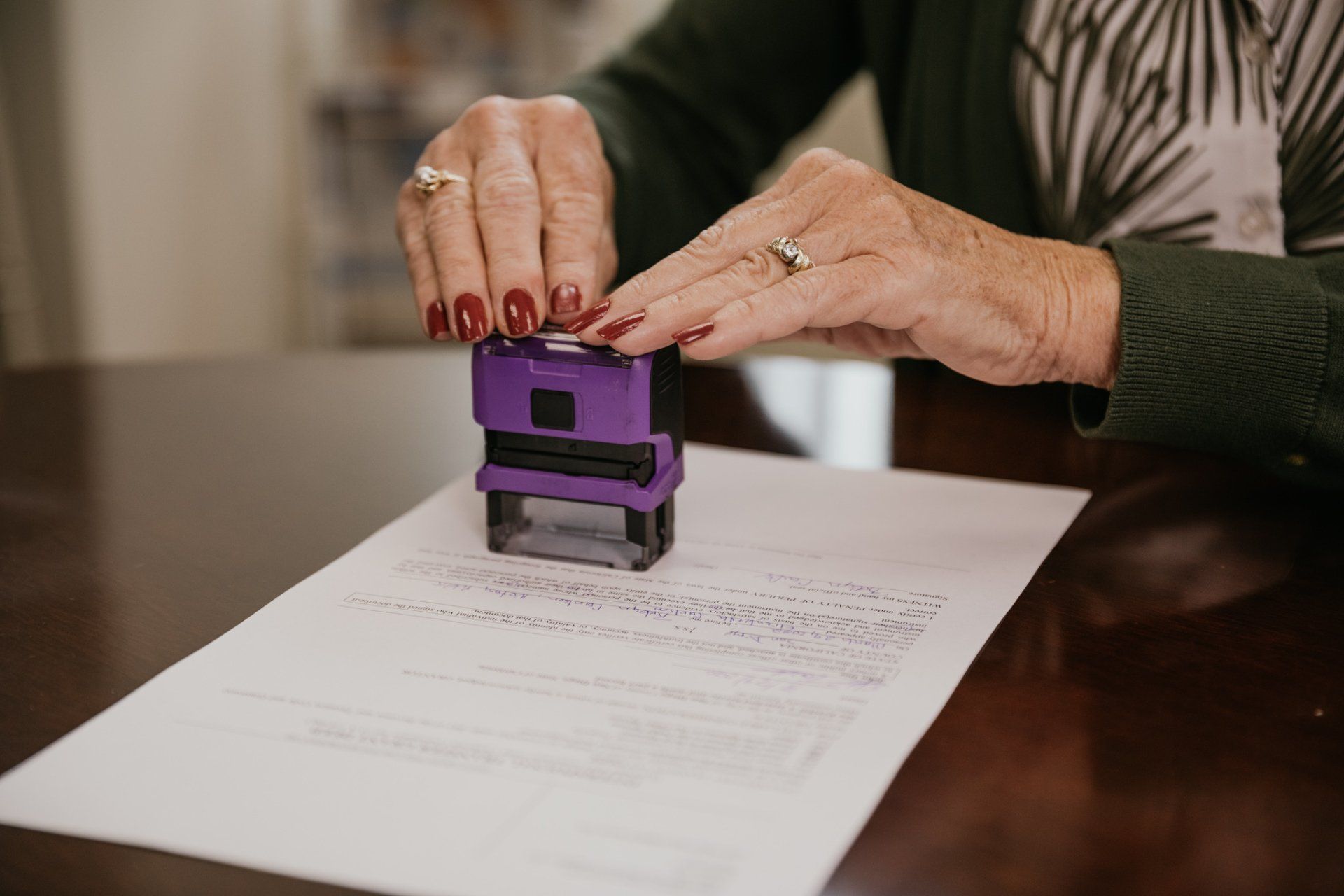
Power of Attorney Notarization: What You Need to Know Before You Sign
Signing a power of attorney is a big step. You’re giving someone the legal authority to act on your behalf—often in financial, medical, or legal matters. Because of that, the document needs to be handled carefully, and in most cases, proper notarization is a key part of making it valid and enforceable.
Before you sign, here’s what you should understand.
What Is a Power of Attorney?
A power of attorney (POA) is a legal document that allows you (the “principal”) to appoint someone else (the “agent”) to make decisions for you.
Depending on the type, that authority can include:
- Managing finances
- Handling real estate transactions
- Making healthcare decisions
- Signing legal documents
Because of the level of authority involved, POAs are closely scrutinized—and that’s where notarization comes in.
Why Notarization Matters
Notarizing a power of attorney isn’t just a formality. It serves a specific legal purpose.
A notary helps:
- Verify your identity
- Confirm you’re signing willingly
- Deter fraud or coercion
In many states, a notarized POA is required for it to be accepted by banks, hospitals, and other institutions. Without proper notarization, your document could be delayed—or even rejected when it’s needed most.
Do All Power of Attorney Documents Need to Be Notarized?
In most cases, yes—or at least, it’s strongly recommended.
Some states may also require:
- Witness signatures
- Specific formatting or language
Even when notarization isn’t legally required, many organizations will still expect it before honoring the document.
Bottom line: notarization adds a level of credibility and acceptance that protects everyone involved.
What to Expect During a POA Notarization
The notarization process is straightforward, but there are a few important requirements.
You’ll need:
- A valid, government-issued ID
- The complete (unsigned) document
- All required parties present
The notary will:
- Verify your identity
- Confirm you understand what you’re signing
- Witness your signature
- Apply their official seal
The entire process usually takes just a few minutes—but it’s a critical step.
Common Mistakes to Avoid
Power of attorney documents are often time-sensitive, so mistakes can cause real problems.
Here are a few to watch for:
Signing too early
Do not sign the document before meeting with the notary. The signature must be witnessed.
Missing pages or incomplete forms
All sections should be filled out before notarization.
Wrong type of notarization
Some POAs may require specific notarial acts depending on state guidelines.
Not checking state requirements
Rules can vary, especially if the document will be used across state lines.
When You Might Need a POA Notarized
People typically need power of attorney notarization when:
- Planning for aging or long-term care
- Preparing for travel or extended absence
- Managing financial responsibilities for a family member
- Handling real estate or legal transactions
In many cases, it’s not urgent—until it suddenly is. Having it properly notarized ahead of time avoids delays later.
Mobile Notary Services Make It Easier
For something as important as a power of attorney, convenience matters.
Working with a mobile notary service means:
- You don’t have to travel
- Appointments can be scheduled around your availability
- Documents can be notarized at your home, office, or care facility
This is especially helpful for families, elderly clients, or time-sensitive situations.
Final Thought
A power of attorney gives someone significant control over important decisions in your life.
Making sure it’s properly notarized helps ensure that document will be recognized and honored when it matters most.
Need a Power of Attorney Notarized?
At Sign Docs Today, we provide reliable, professional notary services—including mobile notarization for power of attorney documents.
Whether you’re planning ahead or need assistance quickly, we make the process simple and convenient.